16Dec
The Importance Of Replacing Old Dental Fillings Before They Fail
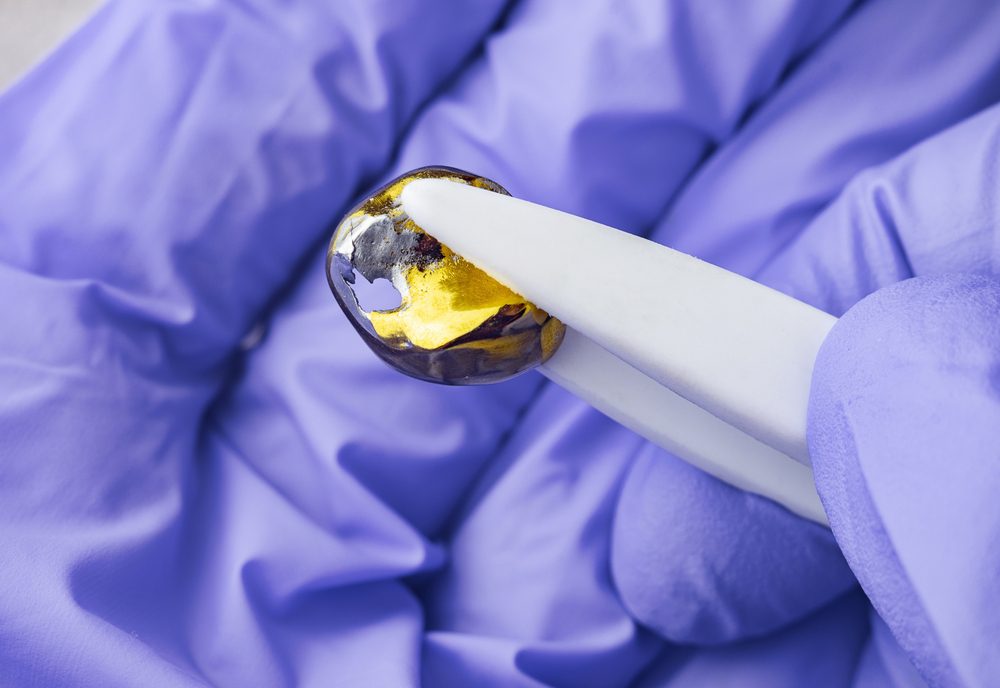
As a family dentist in Centreville, I often meet patients who are surprised to learn that dental fillings, no matter how well placed, don’t last forever. Just like any other restoration, fillings can wear down, loosen, or leak over time. When that happens, bacteria can seep beneath the surface and begin causing new decay, often without any pain until the damage is extensive. I’m Dr. Kourosh from Total Dental Arts, and my goal is to help you understand why replacing old fillings at the right time protects not only your teeth but your overall oral health. Preventing problems before they become emergencies is one of the simplest ways to preserve your natural smile for decades.
Many people assume that once a filling is placed, it will last indefinitely. In reality, most fillings have a lifespan of 5 to 15 years, depending on the material, location, and how well you care for your teeth. Over time, chewing pressure, temperature changes, and even the natural movement of your teeth can cause small cracks or gaps between the filling and the surrounding enamel. These gaps create ideal spaces for bacteria and plaque to gather, leading to decay beneath the filling. When that happens, the tooth may need a much larger restoration, or even a crown, rather than a simple replacement. Acting early helps you avoid those complications.
Why Fillings Wear Out Over Time
Dental fillings are designed to restore strength and seal areas where decay was removed, but they are constantly exposed to the forces of biting, chewing, and grinding. Older silver (amalgam) fillings, while durable, expand and contract with temperature changes, which can cause fine cracks in the surrounding enamel. Composite (tooth-colored) fillings, though more natural in appearance, can still shrink slightly over the years, allowing bacteria to slip beneath the surface.
When fillings start to deteriorate, you may not see any visible signs at first. Often, the first clue comes from a routine dental X-ray or during an examination when I notice wear or marginal breakdown. Replacing these fillings before they fail completely is far less invasive and more affordable than waiting until a tooth becomes painful or infected.
Signs That A Filling May Need Replacement
You may suspect a problem with an older filling if you experience sensitivity to hot, cold, or sweet foods. Another indicator can be a rough edge that your tongue can feel, or even a slight discoloration around the filling margin. Occasionally, an old filling can fracture or come loose entirely, leaving the tooth exposed.
If you notice any of these warning signs, schedule a visit right away. At Total Dental Arts, I use modern diagnostic tools, such as digital imaging and transillumination, to detect early deterioration. By addressing the issue promptly, we can remove the failing material, clean the area thoroughly, and place a new restoration that seals the tooth tightly against bacteria.
The Benefits Of Proactively Replacing Old Fillings
Replacing old fillings on time offers several long-term benefits. First, it prevents bacteria from spreading deeper into the tooth structure and reaching the nerve, which can otherwise lead to the need for root canal therapy. Second, it restores the tooth’s natural strength and shape, improving both comfort and appearance. Third, it ensures the bite remains even, preventing undue pressure on surrounding teeth.
Modern restorative materials allow me to create natural-looking, durable replacements that blend seamlessly with your enamel. Composite resins and ceramic restorations not only look better but also bond directly to the tooth, providing added strength and reducing the chance of leakage.
By replacing worn or outdated fillings, you also help protect your overall health. Research shows that untreated oral infections can contribute to systemic inflammation, which has been linked to heart disease, diabetes, and other chronic conditions. Maintaining strong, sealed restorations is a simple yet powerful step toward better overall health.
Preventing Fillings From Wearing Out Too Soon
Good oral hygiene habits and regular dental visits are the best defense against premature filling failure. Brushing twice daily with fluoride toothpaste, flossing, and using an antibacterial mouth rinse help reduce plaque that can damage filling margins. Regular cleanings and checkups allow me to monitor older restorations and catch small issues early.
If you grind your teeth, a custom night guard can reduce pressure on your fillings and help extend their life. Avoiding very hard foods, sticky candies, and chewing on non-food items like pens or ice will also help prevent damage.
By staying proactive, you avoid emergency situations and maintain your dental health with minimal intervention.
Frequently Asked Questions About Replacing Old Dental Fillings
What Happens If I Don’t Replace An Old Filling?
When a filling begins to leak or crack, bacteria can enter and cause decay beneath it. If untreated, this decay can reach the tooth’s nerve, leading to infection or abscess formation. The longer the issue goes unaddressed, the greater the chance of needing more extensive procedures such as crowns or root canal treatment.
Can I Tell On My Own If A Filling Is Going Bad?
Not always. Some failing fillings cause symptoms like sensitivity or roughness, but many issues develop silently. That’s why routine exams and digital X-rays are so important, they allow your dentist to identify hidden damage before it causes pain.
Are New Filling Materials Safer And Longer-Lasting?
Yes. Modern composite and ceramic materials are durable, aesthetically pleasing, and bond directly to the tooth, making them less prone to leakage. They also contain no mercury, making them an excellent choice for patients who prefer metal-free dentistry.
Is Replacing A Filling Painful Or Time-Consuming?
Replacing an old filling is usually a quick and comfortable procedure. After numbing the area, I remove the worn material, clean the cavity, and place a new restoration. Most patients are surprised by how fast and painless the process is.
How Can I Extend The Life Of My New Fillings?
Consistent brushing and flossing, limiting sugary snacks, avoiding teeth grinding, and attending regular cleanings all help protect your restorations. If you maintain these habits, your fillings can last many years before needing replacement.
Call Total Dental Arts Today For An Appointment
If you suspect one of your fillings might be wearing down, don’t wait for pain to start. At Total Dental Arts, we can evaluate your restorations and provide the best options for repair or replacement. Protect your smile and prevent more serious dental problems by scheduling a visit with Dr. Kourosh today.
Contact our Centreville dentist Dr. Kourosh at Total Dental Arts by calling (703) 890-3200 to schedule your consultation. Total Dental Arts proudly serves patients in Centreville and throughout Fairfax County, Virginia, helping families maintain strong, healthy smiles for life.