12Mar
When Saving a Tooth Isn’t Possible: Understanding Tooth Extraction
Written by Kourosh Seifolahi Bazarjani, DDS – Advanced Education in General Dentistry (AEGD)
Most dentists focus on saving teeth whenever possible. Modern dentistry has made it possible to restore damaged teeth in many ways, from fillings and crowns to root canals and implants. Still, there are times when removing a tooth becomes the healthiest option for your mouth.
Hearing the words “tooth extraction” can feel unsettling. Many people imagine that extraction means something went seriously wrong. In reality, removing a tooth is sometimes the best step toward protecting your overall oral health and preventing bigger problems later on.
At Total Dental Arts, the goal is always to preserve natural teeth whenever possible. When extraction becomes necessary, it is carefully planned with your comfort and long term health in mind.
Understanding why a tooth might need to be removed can help you feel more informed and confident if the recommendation ever comes up during a dental visit.
Is tooth extraction necessary?
Tooth extraction is not usually the first option a dentist considers. In many cases, treatments such as fillings, crowns, root canals, or periodontal care can restore a damaged tooth. However, some conditions make saving the tooth unrealistic or harmful to the rest of the mouth.
A dentist may recommend removing a tooth when keeping it would lead to pain, infection, or damage to nearby teeth.
Some of the most common reasons include:
Severe tooth decay
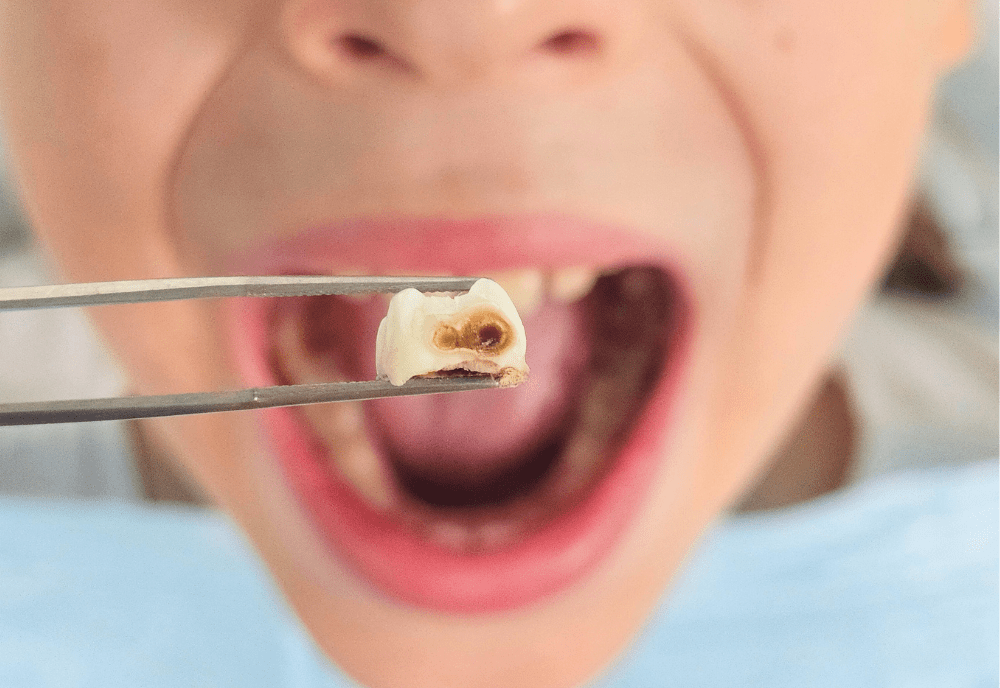
When a cavity progresses too far, the tooth structure can become too weak to repair. If decay reaches deep into the tooth and destroys most of it, a filling or crown may no longer be possible. Removing the tooth can stop infection and prevent the problem from spreading.
Advanced gum disease
Periodontal disease affects the gums and the bone that supports the teeth. In its later stages, the bone may deteriorate so much that the tooth becomes loose. If the support structure is too damaged, extraction may be necessary to protect surrounding teeth and tissues.
Tooth infection that cannot be treated
Sometimes infection spreads deep inside the tooth and surrounding bone. Root canal therapy often solves this problem. But in cases where the infection is severe or the tooth structure is too damaged, removing the tooth can be the safest way to eliminate the infection.
Severely broken or fractured teeth
A tooth that breaks below the gum line can be difficult or impossible to restore. Trauma from accidents or biting hard foods can cause fractures that leave extraction as the most practical option.
Overcrowding
In orthodontic cases, removing one or more teeth may help create space so the remaining teeth can move into better alignment. This is sometimes recommended before braces or clear aligner treatment.
Impacted teeth
Teeth that cannot fully erupt through the gums can become impacted. Wisdom teeth are the most common example. Impacted teeth can cause pain, swelling, infection, and damage to nearby teeth if left untreated.
In these situations, extraction helps protect the health of the surrounding teeth and gums.
Does a tooth extraction hurt?
Many people assume a tooth extraction will be extremely painful. In reality, modern dental techniques make the procedure far more comfortable than most patients expect.
Before the extraction begins, the dentist uses local anesthesia to numb the area around the tooth. This prevents pain during the procedure. You may feel pressure or movement, but sharp pain should not occur.
At Total Dental Arts, patient comfort is always a priority. The dental team carefully explains the process and ensures the area is fully numb before starting the procedure.
After the tooth is removed, some mild soreness or swelling is normal for a few days. This is part of the body’s natural healing process. Most patients manage this discomfort easily with:
- Over the counter pain relief
- Cold compresses
- Rest and soft foods
- Following the dentist’s aftercare instructions
Healing usually progresses quickly when patients follow post extraction guidelines.
It is also worth noting that removing a painful or infected tooth often provides relief rather than more discomfort. Many patients feel better soon after the source of the problem is gone.
When should a tooth be removed?
Knowing when a tooth should be removed depends on careful evaluation by a dentist. X rays, oral exams, and a review of symptoms help determine whether saving the tooth is realistic or if extraction would lead to better results.
Some signs that a tooth may need to be removed include:
Persistent tooth pain
Pain that does not go away may indicate infection, deep decay, or damage to the tooth’s internal structure.
Severe infection or abscess
If infection spreads into surrounding bone or tissue and cannot be treated with root canal therapy, removing the tooth may prevent serious complications.
Loose teeth caused by gum disease
When bone support has deteriorated significantly, keeping the tooth may not be possible.
Crowding that interferes with orthodontic treatment
In certain orthodontic plans, removing a tooth helps create space so the rest of the teeth can align properly.
Damage that cannot be repaired
Teeth that are cracked deeply or broken below the gum line may not be restorable.
Dentists evaluate each situation individually. Extraction is recommended only when keeping the tooth would compromise oral health or lead to ongoing problems.
What happens after a tooth is removed?
Many people worry that removing a tooth will leave a permanent gap. In many cases, the extracted tooth can be replaced with a restoration that restores both appearance and function.
Common replacement options include:
Dental implants
A dental implant replaces the tooth root with a small titanium post placed in the jawbone. A crown is attached on top to create a natural looking tooth.
Dental bridges
A bridge fills the gap using a prosthetic tooth anchored to neighboring teeth.
Partial dentures
In cases involving multiple missing teeth, removable partial dentures can restore chewing ability and appearance.
Your dentist will discuss the best option based on your oral health, the location of the tooth, and your long term goals.
Replacing a missing tooth is often recommended because gaps can cause nearby teeth to shift over time. This movement can affect bite alignment and make cleaning more difficult.
The goal is always a healthier smile
No one likes the idea of losing a tooth. But in some situations, removing a tooth can be the best step toward restoring comfort, protecting surrounding teeth, and preventing more serious dental problems.
Dentistry today focuses on thoughtful, personalized care. Dentists evaluate every possible option before recommending extraction. When removal becomes necessary, the procedure is designed to be safe, comfortable, and part of a larger plan for maintaining a healthy smile.
If you are experiencing tooth pain, swelling, or damage to a tooth, it is important to have it evaluated sooner rather than later.
The team at Total Dental Arts can examine the tooth, explain your options, and help you decide the best next step for your oral health.