29May
What Really Happens to Your Dental Implants After 20 Years
Written by Kourosh Seifolahi Bazarjani, DDS – Advanced Education in General Dentistry (AEGD)
Dental implants are among the most durable tooth replacements available, with survival rates above 90% at the 20-year mark — but the titanium screw and the crown on top age very differently. Understanding that split, plus how your changing health affects long-term outcomes, is what separates patients who keep their implants for life from those who don’t.
Your Implant Has Two Lifespans — and Most People Only Know About One
This is the piece of information I wish every patient received on day one. For Centreville-area patients, when people ask me how long implants last, they’re usually picturing the whole structure. But there are two fundamentally different components aging at two very different rates.
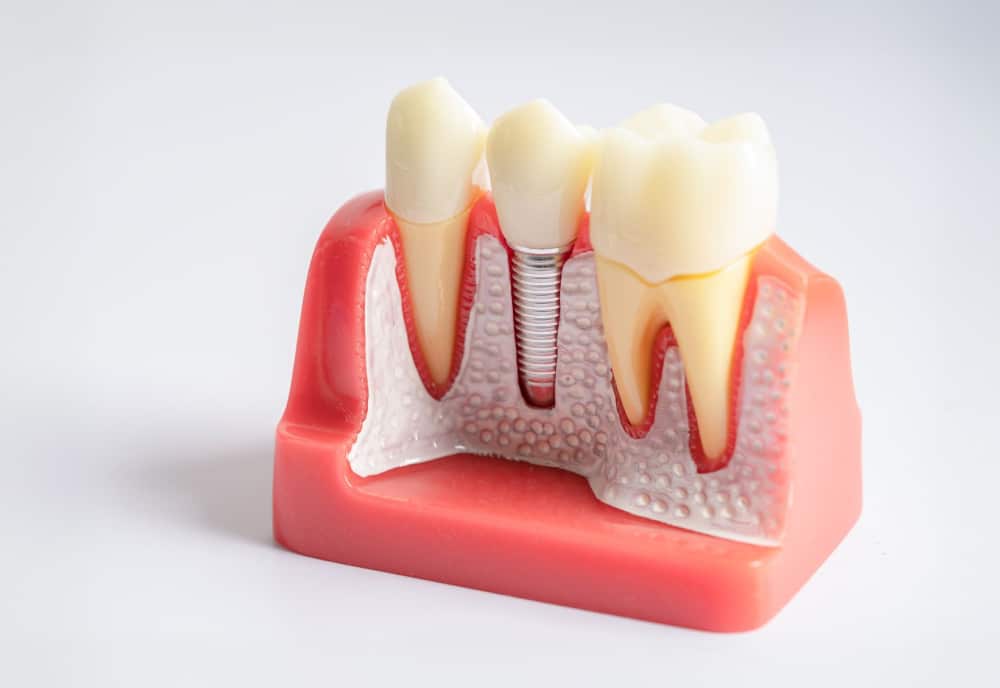
The titanium fixture — the screw that integrates with your jawbone — is designed for a 25-year-plus lifespan. Research published in PMC consolidating 20 years of survival data found that roughly 4 out of 5 implants remain functional at the two-decade mark, with prospective studies showing a mean survival rate of 92%. That’s the screw holding strong deep in your bone.
The abutment and crown — the visible tooth portion — are a different story entirely. Crowns endure daily chewing forces, temperature changes, and grinding. Most porcelain or ceramic crowns realistically last 10 to 15 years before showing meaningful wear, chipping, or requiring replacement. Healthline notes that while the implant itself is designed to be permanent, the crown attached to it may need replacement due to normal wear and tear. If you’re exploring tooth replacement options in the region, Centreville dental implants offer a long-term solution backed by comprehensive care.
Think of it as a “Year 15 Refresh.” Around that milestone, many patients need a new crown fitted to the original, still-functional implant screw. This is a far simpler procedure than full replacement — no surgery, no bone grafting, no healing period. The foundation stays. Only the top piece changes. Managing this expectation upfront prevents a lot of unnecessary frustration when a crown eventually shows wear.
The Aesthetic Drift Nobody Warns You About
Here’s something I see in long-term implant patients that rarely gets discussed: an implant that was placed perfectly can start to look “short” or “sunken” compared to neighboring teeth after 15 to 20 years. The implant itself hasn’t moved. Your natural teeth have.
Natural teeth continue to erupt microscopically throughout your life — shifting, moving, responding to bite forces. A dental implant is ankylosed, meaning it’s fused rigidly to the bone and stays exactly where it was placed. Over two decades, this creates a visible misalignment called infra-occlusion. The surrounding teeth drift slightly downward while the implant stays static.
The solution isn’t removing or replacing the implant. It’s re-crowning — fabricating a new prosthetic crown that accounts for the new gum line and tooth positions of neighboring teeth. This restores the aesthetic harmony without touching the fixture. When I evaluate patients who’ve had implants for 15-plus years, checking for this drift is part of every comprehensive exam. Understanding the signs you might need a root canal or other restorative intervention is equally important during these long-term evaluations.
How Your Health at 65 Affects an Implant You Got at 45
This is the long-term risk factor almost nobody talks about during initial implant consultations. A 45-year-old patient has a very different biological profile than they will at 65. Health changes that occur years after implant placement can retroactively threaten a stable, well-integrated implant.
Two specific changes deserve attention:
Bone density medications. If you develop osteoporosis and begin bisphosphonate therapy a decade after getting implants, that medication alters bone metabolism in ways that affect the peri-implant environment. This requires an immediate conversation with both your dentist and physician.
Dry mouth from systemic medications. Blood pressure medications, antidepressants, and antihistamines all reduce salivary flow. Saliva is your mouth’s natural defense against bacterial biofilm. Reduced flow dramatically increases peri-implant mucositis risk — the precursor to peri-implantitis and bone loss. WebMD highlights that implants remain effective in older patients, but the maintenance protocols need to evolve alongside changing health profiles. Patients throughout Fairfax County, VA navigating these health transitions can benefit from updated implant monitoring plans tailored to their evolving needs.
If you’ve had implants for 10-plus years and are entering a new health chapter — new medications, new diagnoses, lifestyle changes — bring that list to your next dental appointment. Your implant care protocol may need updating.
Daily Care That Actually Protects Your Investment
The single biggest driver of long-term implant success is biofilm control. Peri-implant mucositis affects up to 64% of implant patients, and when left untreated, it progresses to peri-implantitis — inflammation with progressive bone loss that can eventually cause implant failure.
What actually works at home:
Powered toothbrushes outperform manual brushing for plaque and inflammation reduction around implants, particularly oscillating-rotating models. A systematic review in PMC found that patients without regular maintenance therapy had a 44% incidence of peri-implantitis compared to 18% in those who attended professional care.
Interdental brushes and water flossers outperform traditional floss for reducing inflammatory markers in the spaces around implant restorations. Brushing alone removes only around 60% of plaque per session — the interproximal spaces need dedicated tools.
Professional maintenance visits are non-negotiable. Harvard Health Publishing reinforces that long-term implant success depends on both effective home care and regular professional prophylaxis. At these visits, we assess probing depths, check for bone level changes radiographically, evaluate crown wear, and screen for any early signs of peri-implant disease. The role of routine dental X-rays in early detection is particularly critical at these checkpoints, helping identify bone level changes before they become serious problems.
The follow-up shouldn’t end after placement, or even after the 10-year mark. Long-term survival data consistently shows that ongoing professional monitoring is what separates implants that last 20+ years from those that don’t.
Ready to Talk About Your Long-Term Implant Plan?
Whether you’re considering your first implant or you’ve had one for a decade and want to know where you stand, I’m here to help you think through the full picture — not just placement, but longevity. At Total Dental Arts in Centreville, we take a comprehensive approach to implant care that accounts for your current health, your goals, and where you’ll be 20 years from now. Patients across Fairfax County trust us with these decisions. If you’re unsure how to find the right provider for your long-term needs, our guide on how to choose the right dentist in Virginia for long-term oral health is a great place to start. Schedule a consultation and let’s build a plan that lasts.
This article is for informational purposes only and does not constitute medical or dental advice. Individual outcomes vary. Consult a licensed dental professional for diagnosis and treatment recommendations specific to your situation.