04Mar
Cracked or Chipped Tooth? The Small “Oops” That Can Turn Into a Big Problem
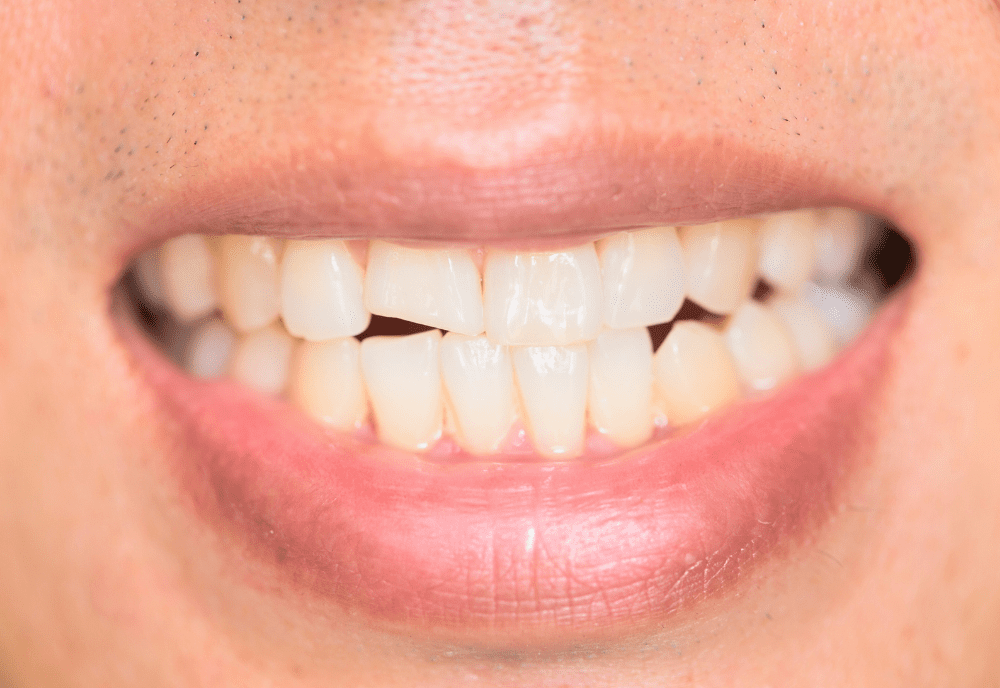
Most cracked or chipped teeth don’t happen during dramatic moments. It’s usually something annoyingly normal. A popcorn kernel. A fork you didn’t expect. A piece of ice you swear you barely bit. And then it hits you: a sharp edge, a weird new sensitivity, or that unsettling feeling that your tooth isn’t quite the same.
Here’s the truth: a cracked or chipped tooth is one of those problems that can look minor and still deserve quick attention. Not because we want to scare you, but because teeth don’t heal the way skin does, and small damage can quietly become larger damage.
At Total Dental Arts, we see all kinds of cracks and chips, from “barely noticeable” to “how did this happen?” The good news is that modern dentistry has several ways to restore your tooth so it looks natural and feels normal again. The key is knowing what to do right now, and when it’s time to stop waiting.
In this blog, you’ll learn:
- What to do immediately after you chip a tooth
- When a cracked tooth is an emergency
- Whether a cracked tooth can heal on its own
- The most common treatment options and how dentists choose the right one
First, a quick reality check: cracks and chips are not all the same
A “chip” can be purely cosmetic, like a tiny piece of enamel that breaks off at the edge. A “crack” can be deeper, sometimes invisible, and may affect how the tooth holds up when you bite.
Common reasons teeth crack or chip:
- Biting hard foods (ice, nuts, hard candy, popcorn kernels)
- Teeth grinding or clenching (especially at night)
- Old, large fillings that weaken tooth structure over time
- Trauma (sports injuries, slips, accidents)
- Temperature stress (hot coffee, then cold water)
- Natural wear as enamel thins with age
What you feel matters. A small chip with no pain is different from a crack that causes a zing when you chew. Both matter, but the second one should move to the top of your list.
Is a cracked tooth an emergency?
Sometimes, yes. Other times, it’s urgent but not a “run to the ER” situation. The safest approach is to watch your symptoms, protect the tooth, and get a dental evaluation quickly.
A cracked tooth may be an emergency if you have:
- Severe tooth pain that does not settle
- Facial swelling or swelling near the gum
- Fever or a general unwell feeling
- Pain when biting that is sharp and consistent
- Bleeding around the tooth after trauma
- A crack that exposes the inner tooth (dentin or pulp), especially if it’s sensitive
- A piece of tooth missing that leaves a jagged, cutting edge
If you’re not sure, treat it like it matters. A quick call to Total Dental Arts can help you decide what needs to happen next. Waiting “to see if it goes away” can allow the crack to spread.
Why speed matters:
A crack can expand from chewing pressure. Even if it’s not painful today, it can become painful later, especially if bacteria sneak into the crack and irritate the nerve.
What do you do if you chip your tooth?
If you just chipped a tooth, your goal is to protect the tooth, reduce irritation, and avoid making it worse until you can be seen.
Do this right away
- Rinse gently with warm water to clean the area.
- If there’s bleeding, apply gauze with gentle pressure.
- If the tooth edge is sharp, cover it with dental wax (from a pharmacy) or sugar-free gum in a pinch.
- Use a cold compress on your cheek if there’s swelling or soreness.
- If you can safely do so, save the broken piece (wrap it in tissue or place it in a small container). Sometimes it helps with evaluation.
Avoid these common mistakes
- Do not chew on that side.
- Do not bite hard foods, even if the chip seems small.
- Do not ignore new sensitivity.
- Skip very hot or very cold drinks if you feel sensitivity.
- Avoid using the chipped tooth to “test” if it still hurts. That usually ends badly.
Pain relief tips (simple and safe)
- Over-the-counter pain relievers can help if you can take them safely.
- Stick to soft foods: yogurt, eggs, pasta, smoothies, soups that aren’t too hot.
- Brush gently, and do not aggressively floss around the area if it catches.
Then, schedule a dental appointment. Even small chips can change how your bite fits, and that can lead to more chipping or discomfort.
Can a cracked tooth heal on its own?
No, unfortunately. A cracked tooth cannot heal on its own because tooth enamel and dentin do not regenerate like skin or bone. The crack might stop hurting, but that does not mean it resolved. It may simply mean the nerve is not irritated at the moment.
Here’s what can happen if you leave it alone:
- The crack slowly spreads with everyday chewing
- Sensitivity increases over time
- The tooth becomes more fragile and breaks further
- Bacteria enter the crack and irritate the nerve
- You may eventually need more complex treatment than you would have needed earlier
Important note: Some people experience pain only when chewing, and only sometimes. That on-and-off pattern is classic for a crack. It still needs evaluation, even if it “comes and goes.”
How dentists find cracks that you can’t see
One frustrating thing about a cracked tooth is that it can be hard to spot, even for a patient looking in the mirror. At Total Dental Arts, evaluation may include:
- A close visual exam under strong magnification and lighting
- Bite tests to pinpoint pain when pressure is applied
- Dental X-rays (cracks do not always show, but X-rays help rule out other issues)
- Checking the tooth and gum for signs of inflammation
- Evaluating your bite and wear patterns, especially if you grind your teeth
The goal is to find out: How deep is the crack, is the nerve involved, and what restoration will protect the tooth long-term?
Treatment options for a cracked or chipped tooth
The best treatment depends on how much tooth is damaged, where the crack is, and whether the nerve is involved.
Common chipped tooth fixes
- Dental bonding: A tooth-colored resin shaped and polished to blend in. Great for small to moderate chips.
- Contouring and polishing: For very minor chips, smoothing the edge may be enough.
- Veneers: Often used for front teeth when appearance matters and the chip affects the visible surface.
Common cracked tooth fixes
- Dental crown: A crown covers and protects the tooth, holding it together and reducing the risk of the crack spreading.
- Inlay or onlay: A partial coverage restoration that strengthens the tooth when a full crown is not needed.
- Root canal + crown: If the crack has irritated or infected the nerve, a root canal may be needed to save the tooth, followed by a crown for protection.
- Extraction and replacement: If the crack extends too far below the gum line or splits the tooth, the tooth may not be savable. If that happens, your dentist will discuss replacement options.
What most patients want to know: “Will it look natural?”
In most cases, yes. Modern materials allow restorations to match your tooth color and shape beautifully, especially in the front.
What happens if you do nothing?
If you’re tempted to ignore it because it doesn’t hurt much, here’s the risk. Cracks tend to get worse, not better. And the longer you wait, the more the solution may shift from a simple repair to a more involved procedure.
Signs it’s getting worse:
- Pain when chewing or releasing your bite
- Sensitivity to cold that lingers
- A rough edge that feels larger than before
- Gum swelling near one tooth
- A tooth that feels “different” in your bite
Quick protection checklist until your appointment
If you’re waiting to be seen, keep it simple:
Do:
- Chew on the opposite side
- Stick to soft foods
- Keep the area clean
- Use dental wax if it’s sharp
Don’t:
- Crunch ice or nuts
- Bite into hard bread crusts
- Test the tooth repeatedly
- Assume no pain means no problem
When you should schedule a visit
If you have a cracked tooth, a chipped tooth, or you suspect either, it’s worth being checked. A quick appointment can save you stress later.
Schedule an appointment with Total Dental Arts if:
- You can feel a chip with your tongue
- You have pain when biting
- You have new sensitivity to temperature
- Your tooth looks darker after trauma
- You simply have a bad feeling about it
Ready to get it handled?
Call Total Dental Arts to schedule an appointment and let’s take care of that cracked or chipped tooth before it turns into a bigger issue. The sooner we see it, the more options you usually have.