25Feb
Prophylaxis Cleaning: The “Small” Appointment That Prevents Big Problems
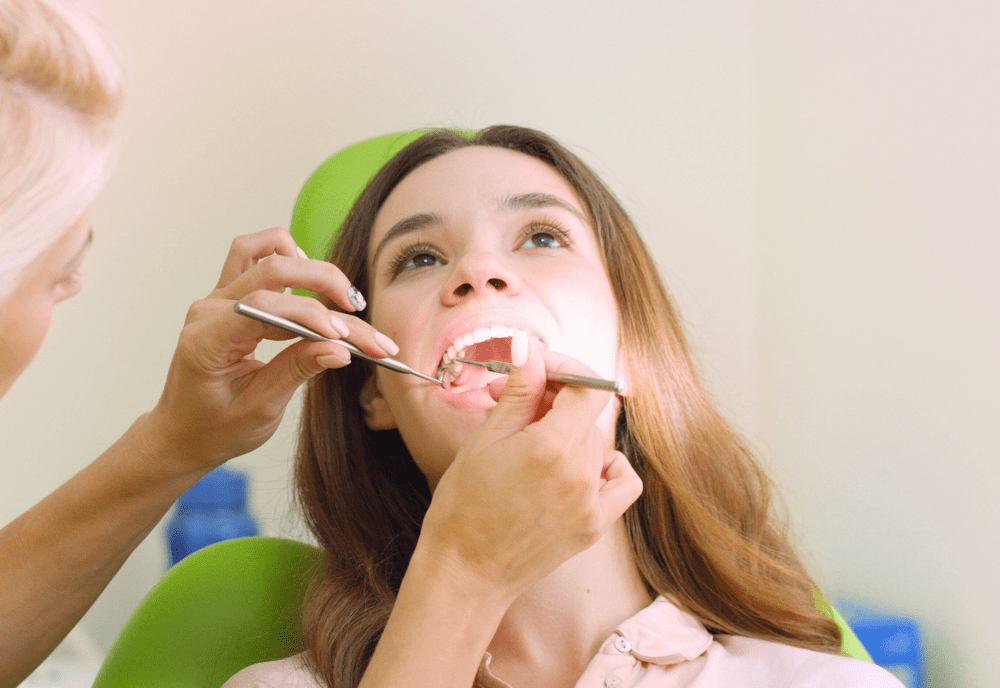
If you’ve ever left the dentist’s office feeling like your mouth got a fresh start, you already understand the quiet power of a professional cleaning. A prophylaxis cleaning (sometimes shortened to “prophy”) is one of the simplest dental visits you can make, and it is also one of the most protective.
Here’s the part many people miss: a prophylaxis cleaning is not just about polishing your teeth so they look brighter. It’s about getting ahead of the stuff you cannot fully tackle at home, even if you brush and floss consistently. Plaque hardens into tartar in areas your toothbrush simply cannot scrape off, especially along the gumline and between teeth. Over time, that buildup can irritate gums, feed cavities, and leave you with inflammation that sneaks up quietly.
A good prophylaxis appointment does three important things at once:
- Removes plaque and tartar buildup that brushing misses
- Reduces gum irritation and helps prevent bleeding
- Gives your dental team a chance to spot early changes before they turn into expensive surprises
Think of it like maintaining a car. You can drive carefully, but you still need routine service to keep things running well.
What a Prophylaxis Cleaning Actually Includes
A prophylaxis cleaning is usually done when your gums are generally healthy or only mildly inflamed. During your visit, your hygienist may:
- Clean around the gumline and between teeth to remove plaque and tartar
- Polish away surface stains (coffee, tea, wine, smoking, some foods)
- Floss thoroughly and check for areas where plaque tends to hide
- Review brushing and flossing habits in a practical, realistic way
- Sometimes apply fluoride if it’s appropriate for your cavity risk
The goal is prevention. It’s easier to prevent gum disease and tooth decay than to treat them once they’re advanced.
Why It Matters Even If Your Teeth “Feel Fine”
A lot of dental problems do not hurt until they are more serious. Tartar buildup, early gum inflammation, small cavities, and even micro cracks can be present without obvious symptoms.
A prophylaxis cleaning helps you stay ahead of:
- Cavities that begin between teeth
- Gum inflammation that can progress over time
- Persistent bad breath caused by plaque bacteria
- Stains that make teeth look dull even when they’re healthy
- Dental costs that grow when issues are caught late
In other words: this visit is less about fixing and more about protecting.
Is prophylaxis a deep cleaning?
Not usually, and that’s an important distinction.
A prophylaxis cleaning is a routine preventive cleaning. It focuses on removing plaque and tartar from the tooth surfaces and near the gumline, usually for patients with healthy gums or mild gingivitis.
A deep cleaning is typically another procedure (often called scaling and root planing) used when there’s evidence of gum disease, such as deeper gum pockets, bone loss, or significant tartar buildup below the gumline.
Here are some practical differences:
Prophylaxis cleaning is for:
- Routine prevention and maintenance
- Mild gum irritation or early gingivitis
- Removing surface stains and polishing
- Keeping teeth and gums stable over time
Deep cleaning is for:
- Moderate to advanced gum disease
- Significant buildup below the gums
- Deeper pockets that trap bacteria
- Reducing infection and inflammation under the gumline
If you’re not sure which you need, you’re not alone. Many patients assume “cleaning is cleaning.” The truth is your dentist and hygienist choose the right approach based on what your gums are showing, not just what your teeth look like.
Helpful clue: If your gums bleed easily, you’ve noticed persistent bad breath, or your teeth feel “longer” (a sign of gum recession), it’s worth getting checked. You might still be a prophylaxis candidate, but you also might need something more targeted.
How often should you have oral prophylaxis?
For most people, every six months is the classic recommendation. But “most people” is not the same as “everyone.”
The right frequency depends on your personal risk factors. Some patients do best with a prophylaxis cleaning every three to four months, especially if they are prone to tartar buildup or gum inflammation.
You may benefit from more frequent cleanings if you:
- Build tartar quickly (some people do, even with great brushing)
- Have a history of gum problems
- Have crowded teeth or hard-to-floss areas
- Wear braces or aligners
- Are pregnant (hormones can make gums more reactive)
- Have dry mouth (less saliva can increase cavity risk)
- Smoke or use tobacco
- Have diabetes or other conditions that affect gum health
On the flip side, if you have excellent gum health and low cavity risk, your dentist may keep you on the six-month schedule and simply monitor.
The best approach is personalized prevention. Your cleaning schedule should match your mouth, not a one-size-fits-all rule.
A Quick Reality Check on Home Care
Brushing twice a day and flossing daily is the foundation, but home care has limits. Even people who brush well can miss:
- The back surfaces of molars
- Tight contacts between teeth
- The gumline where plaque loves to cling
- Areas around dental work like crowns or bridges
A prophylaxis cleaning fills in those gaps. It’s not a substitute for brushing. It’s the professional support your brushing cannot fully replace.
What is oral prophylaxis treatment?
Oral prophylaxis treatment is the clinical term for a preventive dental cleaning designed to remove plaque, tartar, and surface stains before they lead to bigger issues.
It’s often paired with a dental exam so your team can check for:
- Cavities
- Early gum disease
- Changes in bite or wear patterns
- Signs of grinding or clenching
- Old fillings or crowns that may be breaking down
What It Feels Like
Most patients describe prophylaxis cleaning as:
- A little ticklish or mildly uncomfortable in sensitive spots
- Very manageable, especially when done regularly
- Worth it because the mouth feels noticeably cleaner afterward
If you have sensitivity, let your hygienist know. Small adjustments can make a big difference, including gentler technique, desensitizing products, or breaks during the cleaning.
What It Can Do for Your Smile Aesthetics
Prophylaxis cleaning is not cosmetic whitening, but it can absolutely brighten your smile by removing surface stains. If your teeth have been looking dull, a cleaning might be the simplest refresh you need.
Common stain sources include:
- Coffee and tea
- Wine
- Curry and richly pigmented foods
- Tobacco
- Some mouthwashes (in certain cases)
If you want more whitening beyond stain removal, your dentist can tell you what options make sense for your teeth and sensitivity level.
The Long-Term Payoff: Why Prophylaxis Cleaning Is a Smart Habit
Let’s be blunt: most major dental problems are expensive because they build quietly. Preventive cleanings are one of the best returns on investment in healthcare.
A consistent prophylaxis routine helps you:
- Keep gums healthier and reduce inflammation
- Catch cavities early when treatment is simpler
- Lower the chances of needing root canals or extractions
- Protect dental work (fillings, crowns, implants) from plaque-related issues
- Maintain fresher breath and a cleaner-feeling mouth
And just as important: it keeps you connected to your dental team. Dentistry works best when it’s proactive, not reactive.
Ready for a Fresh Start?
If it’s been a while since your last cleaning, don’t overthink it. Whether you’re diligent and due for your routine visit or you’ve been avoiding the dentist for longer than you’d like to admit, a prophylaxis cleaning is often the easiest place to restart.
Schedule your prophylaxis cleaning with Total Dental Arts and let’s get your teeth and gums back to that clean, healthy baseline. Call today or book an appointment online so we can keep small issues small and help you protect your smile for the long run.