13Jul
Dental Implant Pain and Recovery: What to Actually Expect
Written by Kourosh Seifolahi Bazarjani, DDS – Advanced Education in General Dentistry (AEGD)
Most patients are surprised to find that dental implant surgery is less painful than a tooth extraction — and the recovery, while measured in months for full osseointegration, involves only a few days of meaningful discomfort. Knowing what’s normal versus what needs attention makes all the difference.
Upper Jaw vs. Lower Jaw: Two Very Different Recoveries
Generic recovery guides treat every implant the same. They shouldn’t. Where your implant goes changes everything about what you’ll feel afterward.
Upper jaw implants sit close to your sinus cavity. If you’re in the Fairfax County area and come to me after having an upper implant placed — whether it involved a sinus lift or not — I give you what I call sinus precautions. No blowing your nose. If you need to sneeze, let it out through your open mouth. The pressure created by a forceful nasal sneeze can literally push graft material or disturb the implant site. You may also notice what feels like a sinus headache or pressure behind your cheekbones for several days. That sensation often mimics a toothache, which understandably alarms people. It’s typically swelling and sinus membrane irritation — not implant failure.
Lower jaw implants carry a different consideration: the mental nerve. This nerve runs through your lower jaw and controls sensation in your chin and lower lip. Post-surgical swelling near it can cause temporary numbness or tingling — what clinicians call paresthesia. This is usually temporary, resolving as swelling subsides over one to two weeks. Persistent numbness beyond that, or numbness that worsens rather than fades, warrants an immediate call to your provider. Research published in PMC confirms that while sensory changes after implant surgery can occur, complete recovery is expected in most cases when the nerve compression is minor and identified early.
Understanding which type of recovery applies to your specific situation is something I discuss in detail during every treatment planning consultation.
The Bone Graft “Sand” Sensation Nobody Warns You About
If your implant required a bone graft — and many do — there’s a specific recovery experience that sends patients into a panic unnecessarily. In the first three to seven days after surgery, you may notice tiny granules in your mouth. They feel like sand, coarse grit, or coffee grounds. Your first instinct is that something has gone terribly wrong.
It hasn’t. These are excess bone graft particles working their way out of the suture site. The graft material is packed into the defect site, and some peripheral granules that aren’t incorporated into the healing tissue will shed. This is a completely normal part of the biological process.
What you should do: rinse gently with warm salt water, letting gravity do the work. Don’t spit forcefully, don’t use a syringe directed at the site, and don’t probe the area with your tongue or finger.
What signals an actual problem is different: increasing pain after day three rather than decreasing pain, a foul taste that doesn’t resolve, visible grayish tissue at the site, or fever. Those are signs that warrant contacting your dentist promptly. If you’re ever unsure whether your symptoms require urgent attention, our emergency dental care in Centreville team is available to help you assess the situation.
How the Procedure Actually Works — and When It Hurts
The implant process unfolds in stages. First comes evaluation: I use 3D cone beam imaging to assess bone volume, density, and the precise position of nerves and sinuses. This planning step is what separates a predictable outcome from a guesswork surgery.
On placement day, you’ll receive local anesthesia — and possibly sedation depending on your needs and anxiety level. A Healthline overview of dental implant procedures notes that most people can return to daily activities the day after placement. You should feel nothing during the surgery itself.
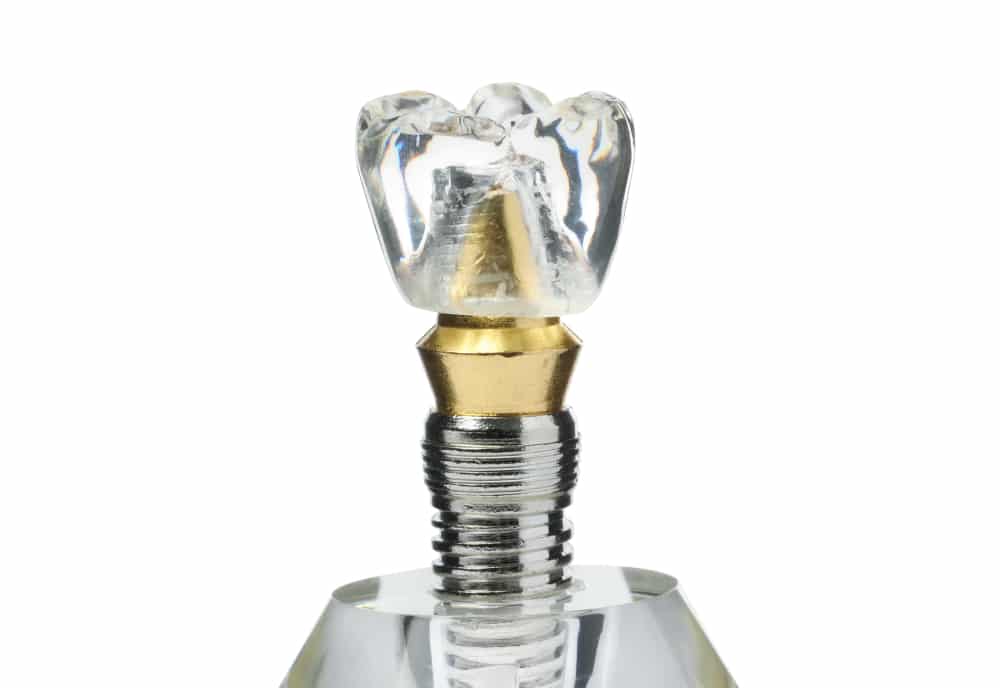
The titanium post is drilled into the jawbone, and then the waiting begins. Osseointegration — the process of bone growing around and fusing to the implant — takes three to six months. According to WebMD’s guide on dental implants for seniors, a soft food diet for several weeks supports proper healing during this phase. After osseointegration, the abutment is connected and your custom crown is fabricated and placed. Harvard Health notes that implants are designed to be a long-term solution, with proper care allowing them to last many years.
The discomfort window is actually quite narrow. Research from PMC on pain after implant placement confirms that implant surgery produces less postoperative pain and fewer limitations on daily activities than tooth extraction. Peak discomfort typically occurs around 24 hours post-surgery and decreases steadily. Most patients manage it with over-the-counter medications for one to two days.
If you’re weighing your tooth replacement options, patients in the area can also explore Centreville dental implants or Reston dental implants depending on which location is most convenient for you.
The 3-2 Rule: What It Means Surgically and During Recovery
You may have heard your provider mention “the 3-2 rule” and wondered what it refers to. It actually has two distinct meanings.
Surgically, the 3-2 rule is a spacing guideline: implants should maintain at least 3mm of bone between two adjacent implants, and at least 2mm between an implant and a natural tooth. Violating this spacing risks bone loss between the sites and creates areas that are nearly impossible to keep clean — leading to peri-implantitis, the implant equivalent of gum disease. Routine dental imaging plays a key role in monitoring this kind of bone health over time; you can learn more about the role of routine dental X-rays in early detection of issues like these.
During recovery, the 3-2 rule describes an ice and heat protocol. For the first three days after surgery, apply ice to the outside of your jaw — 20 minutes on, 20 minutes off — to manage peak swelling. WebMD’s oral surgery recovery guide recommends this approach for the initial 24 hours, and I extend it through day three for implant cases. After that, switch to two days of moist heat applied to the jaw. Heat at that stage improves circulation, relaxes the muscles, and reduces the stiffness that makes it hard to open your mouth fully.
Both versions of the rule exist for the same reason: protecting the implant site and your surrounding structures during a critical window of healing.
Ready to Talk About Implants in Centreville?
If you’re considering dental implants and want to understand exactly what your specific case would involve — which jaw, whether a graft is needed, your timeline — I’d encourage you to schedule a consultation at Total Dental Arts in Centreville. We serve patients across Fairfax County, including Fairfax, Burke dental implants patients, Herndon, and the surrounding communities. Every treatment plan starts with a thorough evaluation so you know what to expect before we begin — not after.
Medical disclaimer: This article is intended for general informational purposes only and does not constitute medical or dental advice. Individual clinical situations vary. Please consult a qualified dental professional for diagnosis and treatment recommendations specific to your needs.